

01
Technology disruption
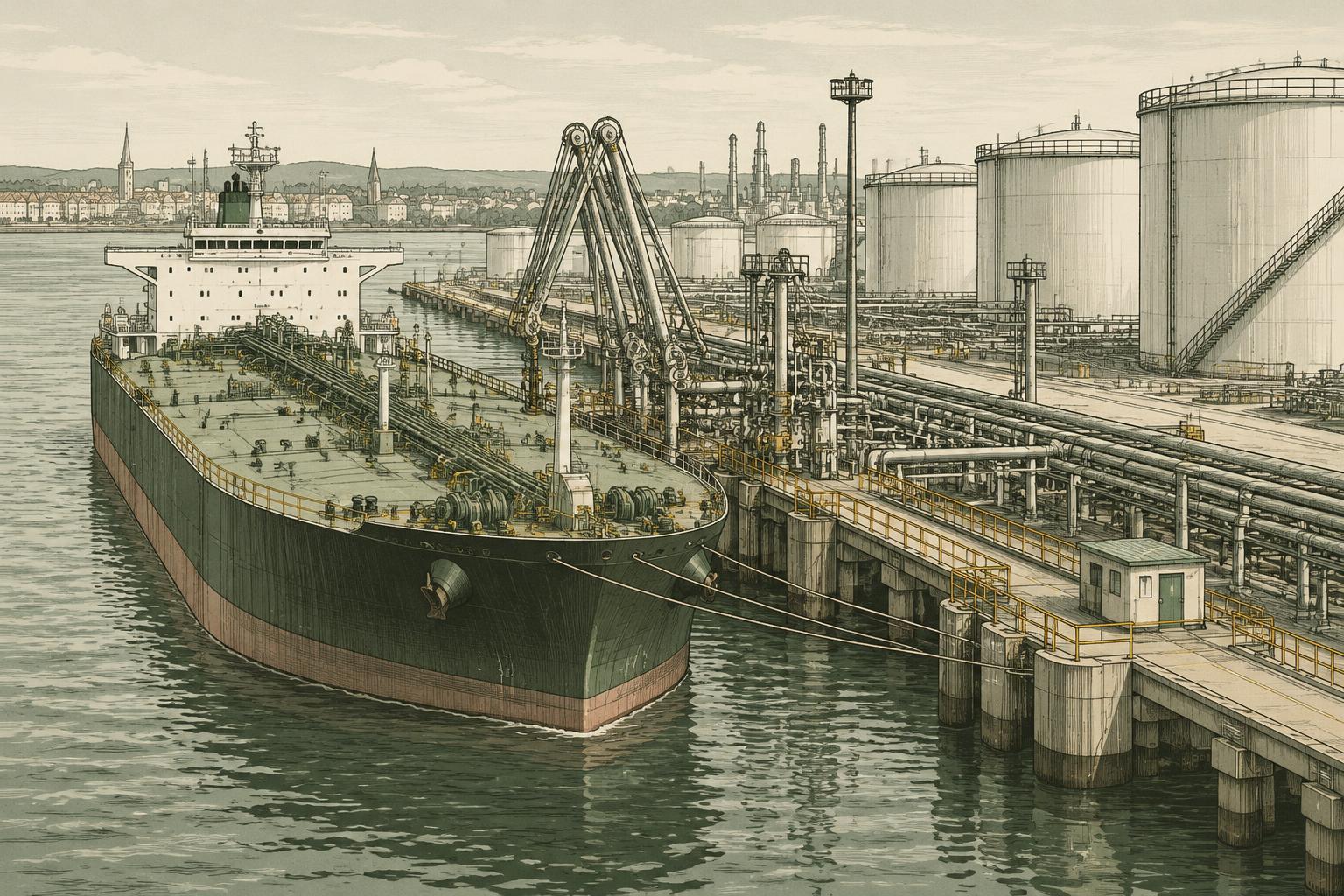
A cloud provider goes offline. An AI-dependent workflow fails. Can teams still deliver without their normal systems?
Gambit · GTF Resilience Framework
What must keep working when everything else stops?
A cloud outage, a compromised supplier, a hybrid attack. The first failure rarely stays isolated. In two weeks, Gambit tests the continuity of one critical service, system or facility - and shows your leadership where to act first.
01 / The business case
European companies operate across tightly coupled systems: cloud platforms, energy networks, logistics corridors and specialist suppliers. A local failure can become a company-wide interruption. A continuity plan is a starting point, not proof that delivery will hold.
01
A cloud provider goes offline. An AI-dependent workflow fails. Can teams still deliver without their normal systems?
02
Cyber intrusion, infrastructure sabotage and disinformation converge. Who decides, and which information can your teams trust?
03
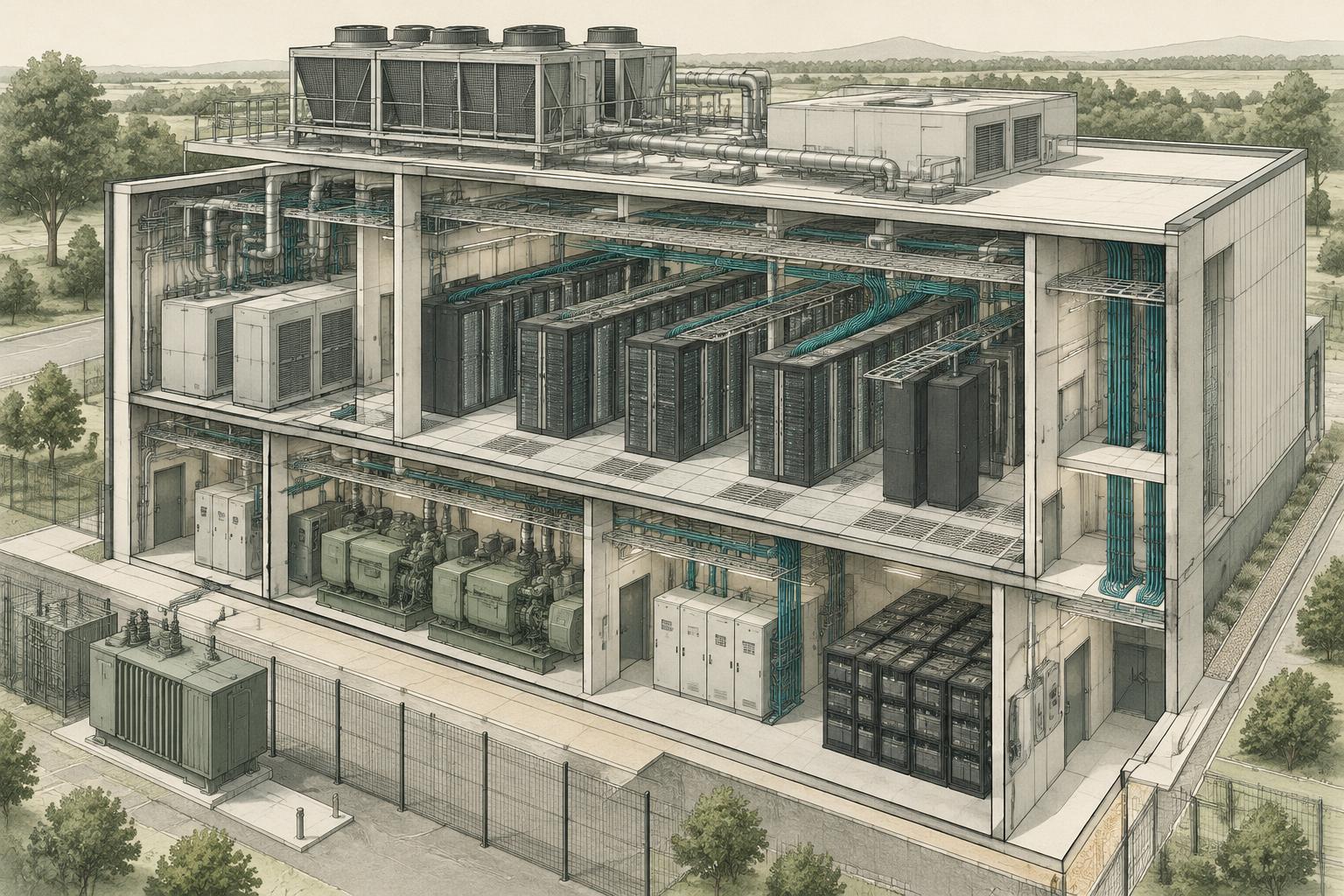
An energy interruption or an unavailable supplier halts operations. Is your fallback genuinely independent of the same point of failure?
02 / The assessment
This audit is based on the unique GTF Resilience Framework, developed by the Government Tomorrow Forum following the Berlin Summit in October 2026. Drawing on experience from Ukraine, Estonia, Germany, the USA and beyond, it brings strategic and operational readiness into one assessment. We review evidence, map dependencies and run a realistic scenario exercise - not a questionnaire that rewards confidence.
Ukraine · Estonia · Germany · USA · Beyond
Strategic
What must continue?
Evidence we look for: Prioritised outcomes with owners and minimum service thresholds.
Strategic
What makes delivery possible?
Evidence we look for: A validated map of people, systems, suppliers, data and cross-sector dependencies.
Operational
How will delivery continue when normal operation fails?
Evidence we look for: Authorised, usable fallback procedures that work under real constraints.
Operational
Who can activate and adapt the response?
Evidence we look for: Named authority, deputies, triggers and escalation routes.
Operational
Which actors must work together?
Evidence we look for: Agreed roles, resources, protocols and accountability across teams and partners.
Operational
How will people understand the situation and act?
Evidence we look for: Credible channels, clear messages, feedback and accessible alternatives.
Strategic
How will experience change the system?
Evidence we look for: Exercises, evidence, corrective actions and updated investment decisions.
03 / A focused engagement
One essential outcome, agreed at the outset. Existing crisis and continuity arrangements are assessed, not discarded. Your teams keep the tools and the evidence after the engagement.
Week 01 / Establish the baseline
Select the essential outcome. Review evidence using the GTF Continuity Readiness Diagnostic. Complete the MVS Canvas and dependency map. Design a scenario grounded in your operational exposure.
Week 02 / Test the response
Run the scenario-based Resilience Test. Analyse gaps across all seven layers. Set tactical and strategic recommendations. Deliver the report and a leadership debrief.
04 / What leadership receives
An executive summary, readiness score out of 84, scenario results and critical gaps requiring immediate attention.
Each layer scored out of 12, with supporting evidence, strengths, weaknesses, single points of failure and critical zeros.
Prioritised actions with owners and retest criteria: quick measures using existing resources, alongside longer-term changes to governance, contracts, architecture and investment.
Also included: the completed MVS Canvas, validated dependency map, scenario scorecard and leadership debrief.
An operational readiness assessment, not a certification or a guarantee against disruption.

05 / Grounded in real-world experience
At the Government Tomorrow Summit in Berlin in October 2026, the resilience workshop examined what must keep functioning under pressure: energy, telecommunications, transport, information and decision-making. The Forum subsequently developed the unique GTF Resilience Framework, informed by experience from Ukraine, Estonia, Germany, the USA and beyond. Gambit applies this framework to the continuity challenges facing European companies.
Explore the 2026 workshopThe commercial offer
For executive teams that need to protect delivery, focus resilience investment and make critical decisions with evidence rather than reassurance.
Discuss your resilienceGTF Resilience Framework
Two-week assessment of one essential service, system or facility. Seven layers, a realistic scenario test and all three deliverables.
Scope, scheduling and commercial terms are confirmed before engagement.